
You noticed it during the last visit. Maybe it was the way your father held the towel bar coming out of the tub — not hanging a towel, gripping it. Maybe it was the nonslip mat that wasn't there anymore, or the handheld showerhead still in its original wall mount position, unused, five years after you installed it.
You did not say anything. Neither did they. But you drove home thinking about it.
This guide is for that moment — the one that happens in King County every day, in Bellevue split-levels and Kirkland craftsman homes and Redmond ranch houses where parents in their 70s and 80s are quietly managing risks their adult children can see more clearly than they can.
Why This Conversation Is Hard — and Why It Matters Anyway
The resistance is almost never about the money or the renovation itself. It is about what accepting the renovation means. A walk-in shower or a grab bar is not just a fixture — it is an acknowledgment that something has changed. That the bathroom that served them for thirty years is no longer entirely safe. That the body doing the bathing is different than it was.
Critical Safety Data
The CDC data is unambiguous: falls are the leading cause of injury death among adults 65 and older, and the bathroom is where 80% of those falls occur.
The framing that works — and we have had this conversation with hundreds of Seattle-area families — is not safety. It is quality of life. A bathroom you do not have to be careful in every single morning. A shower that is genuinely comfortable rather than something you move through quickly. A bathing experience that is actually pleasant rather than something to get through before the day starts.
What to Look For Before You Bring It Up
If you are trying to assess whether a bathroom modification conversation is warranted, these are the specific things to look at during a visit:
The Bathtub Ledge
The standard alcove tub has a 14 to 18-inch ledge to step over. For someone in their 70s with arthritis, reduced proprioception, or any hip replacement history, it is a genuine fall risk on every single use. Watch how they exit the tub — not whether they do it, but how.
The Shower Floor Surface
Original tile and fiberglass shower floors become slippier as they age. Grout wears smooth; fiberglass oxidizes. A nonslip mat is a patch, not a solution — mats shift, bunch at the edges, and create their own trip hazard.
The Grab Bar Situation
Grab bars installed into tile without hitting studs are decorative, not structural. The towel bar your parent is using as a grab bar is rated for zero weight-bearing load. ADA-grade grab bars properly anchored into studs are essential.
Lighting and Contrast
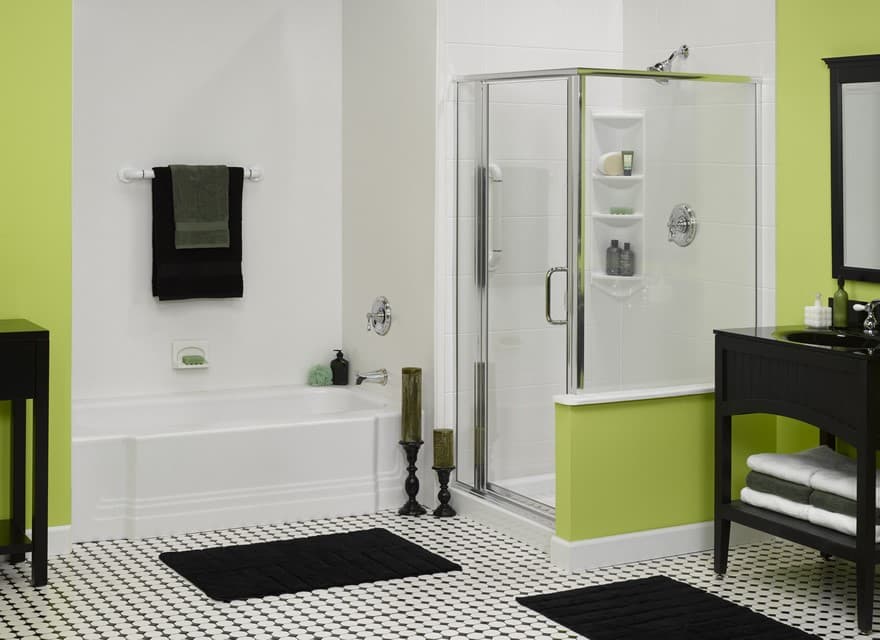
Visual acuity and contrast perception both decline with age. A bathroom with white walls, white tile floor, and white fixtures offers almost no visual contrast cues for someone with any vision change. Low-contrast environments contribute to fall risk.
The Three Modifications That Matter Most
Here are the three with the highest impact-to-disruption ratio for Seattle homes:
1. Eliminating the Tub-to-Shower Step
Converting a bathtub to a zero-threshold walk-in shower removes the single highest fall-risk moment in most older bathrooms. A curbless shower with a properly sloped pan and slip-resistant surface is structurally safer than any bathtub configuration. Seattle Bath Remodels completes most tub-to-shower conversions in one day.
2. ADA-Grade Grab Bars — Installed Correctly
A grab bar anchored into studs or a properly installed blocking system is rated for 250 to 500 pounds of force. The aesthetic concern is addressed by the product range now available — brushed nickel, matte black, oil-rubbed bronze grab bars that are indistinguishable from upscale towel bars until you put weight on them.
3. A Handheld Showerhead on a Slide Bar
This is the lowest-cost, highest-flexibility modification available. A handheld showerhead on an adjustable bar means the shower can be used seated, at standing height with one hand on a grab bar, and can rinse without full overhead exposure. Installation is a half-hour plumbing change.
How to Have the Conversation
What Works Least Well
Coming in with a plan and a contractor recommendation before your parent has expressed any openness.
What Works Better
"I want to stop worrying every time I call and you don't pick up. I'm not asking you to change how you live — I'm asking if we can look at the bathroom together and see if there's anything that would make me feel less anxious."
What Works Best
Get an in-home consultation with someone who does this regularly. A third party describing the bathroom's specific risks is often more persuasive than a family conversation — it removes the emotional charge and makes it a practical problem with practical solutions.
A Note on Timing
The most common version of this conversation that we see arrive too late is the one that starts after a fall. After the ER visit. After the hip fracture. At that point the modification is urgent, the homeowner is frightened and in pain, and the decision is being made under conditions that serve no one.
The second most common version is the one that never happens — because the adult child was waiting for an explicit invitation from a parent who was never going to issue one.
The Bottom Line
If you noticed something during your last visit, that noticing is enough. You do not need to wait for a more obvious signal.
Frequently Asked Questions
Your Beautiful Bathroom, Safe to Use
Call (425) 345-5194 or schedule a free consultation at seattlebathremodels.com. In-home consultations are free and include a same-day written quote.
Get Free Consultation